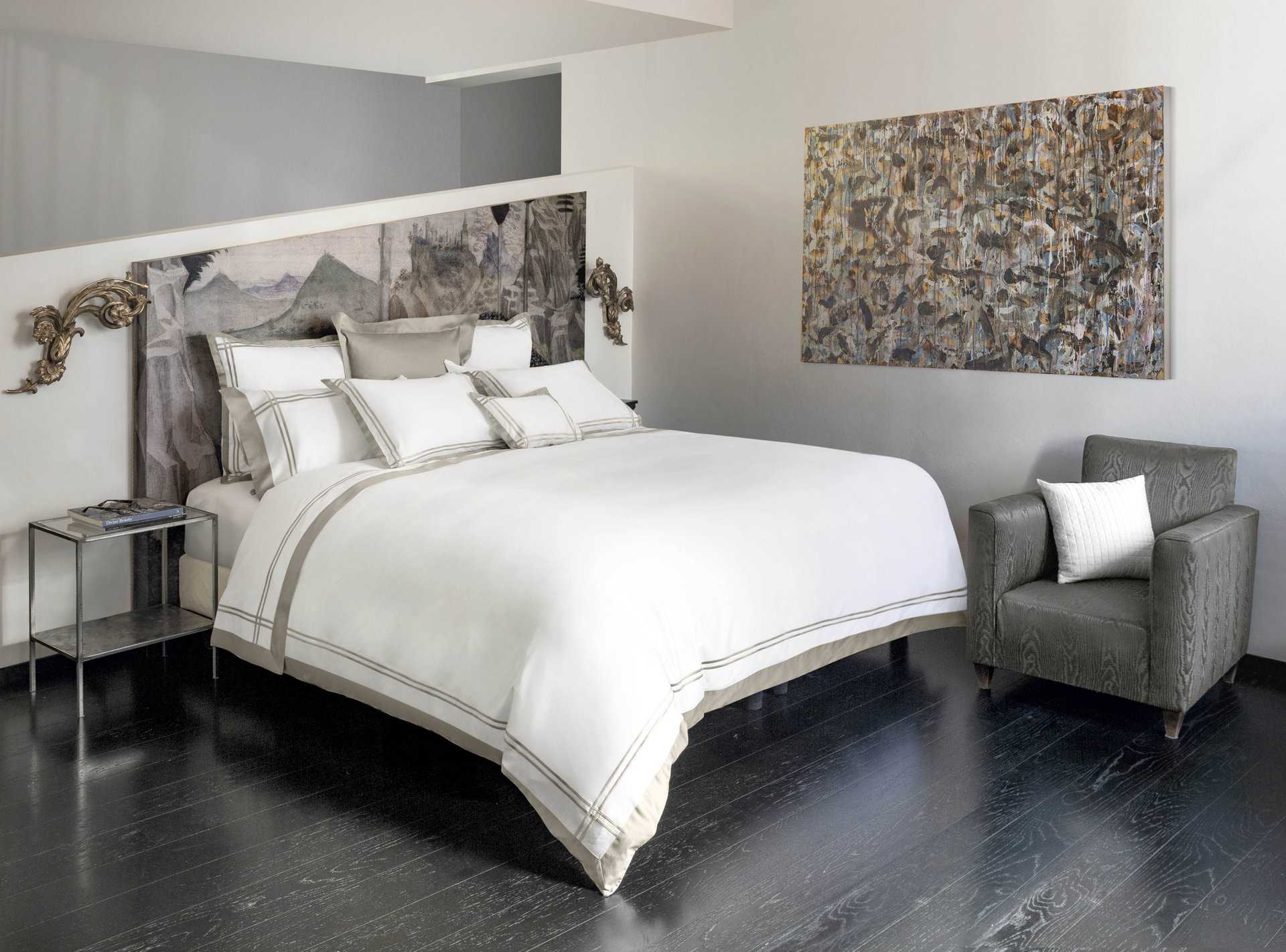
Exploring Linen Traditions: Regional Techniques in Italian Linen Production
A sustained meditation on how geography, history, and craft converge in the linen of Italy. From the flax fields of the north to the coastal looms of the south, this piece traces the textures, terminologies, and people who have shaped Italian linen into a symbol of timeless craft and quiet luxury.
Italy hosts a deep, almost measured conversation with linen — a conversation that begins with fiber and ends with a finished surface that feels like it was written by a patient hand. The linen of Tuscany, Lombardy, and Veneto carries stories of climate, water, and seasonal labor. It carries the memory of ateliers and the hands of artisans who learned to coax air and memory from flax. In a country famous for fashion and design, linen remains the quiet interlocutor — a fabric that does not shout, but speaks softly of place, process, and permanence.
In this exploration, we move region by region, listening for the tonal differences that geography imposes on texture, weave, and finish. We meet three key historical figures whose work helped to define Italian linen across centuries, and we gather a glossary of terms that anchors the reader in the language of linen history. Finally, we spotlight contemporary Signoria Firenze and similar houses that have carried this tradition forward while embracing modern design language.
A regional tour of Italian linen traditions
The story begins in the northern mills, where flax is spun and spun again into yarns that will later be woven into linen with crisp, tactile hand. In Lombardy, a centuries-old exchange between riverine commerce and weaver’s guilds gave rise to linen with a breathy, cooler hand, suited to the damp, temperate climate. The linen from this region often reveals a subtle, almost architectural beauty: a fabric that rewards close inspection and patience.
Moving to Tuscany, the scene shifts toward a romance of finish and texture. Here, linen carries lightness and a quiet, sun-warmed glow, a quality that designers and historians alike regard as quintessentially Italian. The region’s finishing traditions—hemstitch, plain weave, and delicate edge work—are the signatures that identify Tuscan linen in museum collections and contemporary ateliers alike.
In Veneto and the lagoon-adjacent landscapes, linen blends with other fibers to yield fabrics with a remarkable drape and resilience. The coastal winds and salt air shape how linen is treated, dyed, and finished, producing textiles that maintain color fastness and a calm polish even after years of laundering.
Three pivotal figures in the Italian linen tradition
Aldo Signoria (17th–18th centuries)
Aldo Signoria stands as a symbolic bridge between medieval linen craft and early modern Italian textile discipline. His workshop in Florence—an epicenter of mercantile and artistic exchange—integrated flax processing with a flair for precise edge finishing. His notes (translated into modern glossaries) reveal a language of hemstitching and plain weave that later generations would reference as markers of quality and technique. Signoria’s approach to finishing textures—soft lusters, controlled crepe-like surface, and stable color in natural dyes—set standards for regional identity and durability.
Maria Domenica Morandi (18th–19th centuries)
Morandi’s contributions are often cited in archival catalogs as a turning point in linen finissage, including the refinement of hems and lace-inset borders that would later echo in the lace-edged Camilla and Millesimo lines. Her meticulous register of dye-bath temperatures and mordants helped stabilize colorfastness—a practical hinge that allowed linen to travel from workshop to market without losing its voice. Her practice paired technical mastery with a quiet aesthetic, a hallmark of Italian linen at its best.
Leonardo Bianchi (20th century–present)
In the 20th century, Bianchi’s revivalist approach drew from the Florentine appreciation for discipline and form. His collaborations with Signoria Firenze led to a modern reinterpretation of classic linen finishes—more robust warp counts, refined weaves, and a renewed interest in flax’s heritage. His philosophy—“keep the fabric honest to its origin”—is reflected in contemporary lines such as Classico and Diamantini, where the weave speaks with clarity and restraint, yet with a contemporary ease that makes linen relevant to today’s interiors.
A glossary of linen terminology and care
To read Italian linen with informed eyes, one must learn its vocabulary—the terms that mark texture, weave, and finish. Hemstitch, plain weave, lace inset, sateen, percale, and linen authenticity become navigational beacons. Below is a starter glossary, paired with practical care notes to preserve heritage fabrics while embracing modern laundering routines.
Plain weave: The simplest, most durable weave in which the weft alternates over and under the warp to create a flat, uniform surface. Linen plain weave is crisp and breathable, ideal for summer use and for those who love a brisk touch on the skin.
Hems and knife-edge: Finishing details that contribute to a clean silhouette. Knife-edge hems are flat, sharp lines that define the edges of duvet covers and shams, lending a quiet geometrical mood to the bed.
Hemstitched edge: A decorative, open-work edge that adds texture without bulk. A timeless feature in elegant linen sheets and shams.
Sateen vs. percale: Sateen has a satin-like surface with a soft sheen and a smoother hand; percale is crisper and cooler. Linen blends can exhibit the best of both textures depending on the finish and fiber mix.
Lace inset: A refined border or panel integrated into the fabric, often reflecting a heralded Italian craftsmanship, which elevates the sense of heritage.
Origin and “Made in Italy”: Labels signaling regional production, often indicating a blend of traditional techniques with modern standards of quality and environmental responsibility.
Care notes: Linen and long-staple cotton linens require thoughtful washing routines to preserve texture and color. Gentle machine washing with mild detergents, avoiding bleach, and line-drying when possible, help extend the fabric’s life. When machine drying is necessary, use a low heat setting to minimize shrinkage and preserve the crispness of the weave. For linen pieces with lace inset or embroidery, wash on a delicate cycle or hand wash to avoid snagging and distortion of the decorative details.
A look at modern interpretations and heritage-inspired lines
Contemporary Italian linen collections balance reverence for heritage with a modern appetite for refined simplicity. Lines such as Classico (linen plain weave with hemstitched edge) and Diamantini (embroidered percale flat sheet) reveal how designers translate centuries-old methods into current interior narratives. The Sinfonia and Taranto families, including the Sinfonia Duvet Cover and Taranto Duvet Cover, demonstrate how Italian houses wield texture and finish to craft a narrative that is both timeless and of-the-moment.
In the same spirit, Signoria Firenze’s atelier collaborations show a devotion to language—the language of thread count, weave, and the subtle changes in texture that indicate a fabric’s origin. The Tivoli and Millesimo lines illustrate the way borders and lace-inset details can frame a bedding ensemble as if the bed were a stage upon which texture and light perform a quiet drama of elegance.
Sinfonia Duvet Cover
A 100% extra long-staple SUPIMA cotton percale with a 400-thread-count. Made in Italy, the duvet cover features buttons closure and inside sateen ties to secure the duvet, presenting a streamlined silhouette that remains durable through frequent laundering.
Made in Italy • 400-thread-count SUPIMA cotton percale
Tivoli Duvet Cover
100% extra long-staple cotton sateen, 300 thread count, with knife-edge panels and decorative borders. This piece embodies Italian craftsmanship and a polished frame for a restful space.
Made in Italy • Decorative borders
Concluding thoughts: A heritage kept alive by care, curiosity, and craft
Italian linen is not merely a textile; it is a way of reading space, light, and time. It invites readers to notice how a loom’s rhythm, a dyer’s patience, and a designer’s restraint come together in a fabric that ages with dignity. The regional differences—the northern crispness, the Tuscan warmth, the Venetian softness—offer a map of texture that designers, historians, and curious travelers can follow. In the end, linen in Italy endures not because it shouts, but because it speaks with a soft authority: the authority of hands that know, and hands that continue to learn.
If you’d like, we can expand this into a detailed content map, a site architecture with a navigation plan, and a publishing cadence tailored to the Direction A identity: Educational hub on Italian textiles and linen heritage. The map could include timelines, regional profiles, expert interviews, glossaries, and curated resource lists—museum collections, libraries, and digital archives that illuminate the rich history of Italian linen.
Product spotlight: Sinfonia Duvet Cover in focus
From the Signoria atelier, the Sinfonia Duvet Cover stands as a case study in how modern textiles can honor tradition while embracing contemporary luxury. The 400-thread-count SUPIMA cotton percale yields a surface that is crisp with a silken edge, a texture that catches the light in a way that feels both quiet and inevitable. The garment-dyed finish lends a nuanced depth to color, while the inside sateen ties secure the duvet without bulking the silhouette. The result is a duvet cover that wears its sophistication lightly, like a well-cut linen suit that has aged with grace.
Sinfonia Duvet Cover — product image not displayed in this article
Product: Sinfonia Duvet Cover (6545). Made in Italy. 100% long-staple cotton satin weave in a 400-thread-count, with button closure and inside sateen ties. Colorway options vary across a refined palette.
Luxuriously breathable 100% long-staple cotton duvet cover, Made in Italy, with a simple button closure. Enjoy timeless linear design that fits minimalist or classic spaces, durable comfort, and easy care for everyday sleep.
Experience timeless Italian luxury that lasts: a duvet cover with refined, durable fabric, precise tailoring, and a poised, everyday elegance you’ll feel with every night’s rest.
Signoria Firenze · No. CAMILLA-PILLOWCASES-CONF-US
Elevate every night with Camilla lace-edge pillowcases: ultra-soft 100% long-staple cotton, 300-thread sateen for cozy comfort and durable sheen, garment-dyed in Italy for vintage charm, plus easy care and quick drying for effortless elegance.